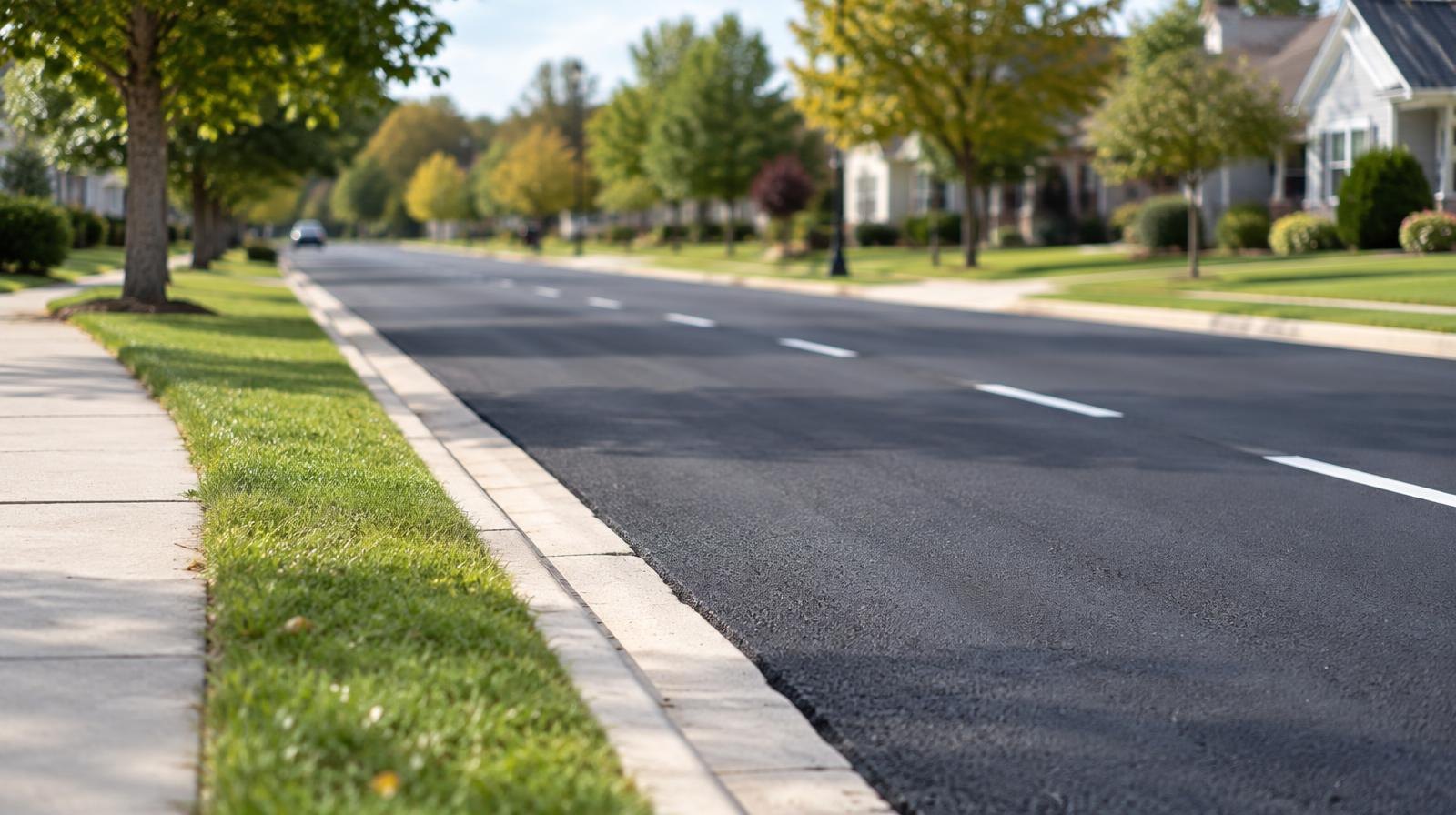
Allen has spent more than $7 million this year to repair aging roads and sidewalks, including $2.2 million for work in two of the city's older neighborhoods.
The investment spans three active projects as city leaders shift their focus from new development to maintaining infrastructure in a community where more than 60% of roughly 110 neighborhoods are at least 25 years old, Mayor Chris Schulmeister said, according to Community Impact.
With less than 8% of Allen's land still undeveloped, City Manager Eric Ellwanger said the city must change its approach.
"We have to give equal, if not more, focus at this point in our life to rehabilitation [and] reinvestment to make sure we continue to be a vibrant community," Ellwanger said.
Three projects underway
The largest effort is the 2026 Street and Alley Rehabilitation Project, a $4.87 million contract with Jim Bowman Construction that the City Council approved at its Feb. 24 meeting, according to the city's meeting recap. The project targets deteriorated streets and alleys across Allen based on a 2022 citywide pavement survey. Sources differ on the expected completion: the city's February recap cited around February 2027, while later reports place it in March 2027 or spring 2027.
In coverage published in September, Allen Communications Manager Kristi Soto said, "Crews are now working along Heritage Parkway from Park Place Drive to Bethany Drive, and on Bethany Drive from Allen Heights Drive to Greenville Avenue."
In the Greengate neighborhood, a $2.15 million project is replacing 109 sidewalk ramps, 50 alley approaches and 63% of the sidewalk panels in the area and along portions of Allen Heights Drive, per city documents. The work is funded through voter-approved 2023 general obligation bonds. The city initially estimated completion by November 2026, but more recent reports place it between December 2026 and winter 2027.
A smaller $123,248 slurry seal project in the Hillside Village neighborhood was completed June 15, Soto said. The treatment covered about 20,500 square yards of roadway and is expected to extend the life of those streets by seven to eight years.
Strategy: fix roads before they fail
Engineering Director Chris Flanigan presented the street rehabilitation project to the council, explaining that a 2022 contractor survey of more than 600 lane miles rated Allen's overall pavement condition at 83 out of 100. Consultants advised that maintaining that score would require continued significant investment.
Rather than targeting the worst roads first, city staff aim to repair roads while they are still in decent shape, Flanigan said. That approach extends a road's lifespan and avoids costlier fixes later.
"Any investment that we do now, in theory, avoids a worsening situation or cost down the line," Flanigan said.
Community Services Director Steve Massey said staff try to minimize disruption by grouping projects together, such as replacing roads and water lines at the same time.
Funding and what's next
Funding comes from bonds, the general fund and savings from completed projects. Property and sales taxes combined make up about 68.9% of Allen's general fund revenue in the fiscal year 2026-27 budget, per city documents.
Schulmeister said Allen's "diverse tax base and solid financial footing" helps fund this phase. Flanigan said that financial mix reduces the burden on residents compared with smaller bedroom communities that rely almost entirely on residential property taxes.
City officials have invested more than $12 million in streets and alleys since 2022 as part of the broader initiative, city staff said. The city's 2027-2031 Capital Improvement Plan lists asphalt overlays planned for Bethany Drive and additional segments of McDermott Drive. A Phase 1 overlay on McDermott from Watters to Allen Drive was completed in 2025.
City officials plan to conduct another citywide roadway condition assessment in 2028, Flanigan said.