Allen has joined a 10-year effort to clean up Rowlett Creek, where bacteria levels have exceeded state water quality standards for more than a decade.
The U.S. Environmental Protection Agency (EPA) and the Texas Commission on Environmental Quality (TCEQ) approved the Rowlett Creek Watershed Protection Plan on Aug. 24. The approval, first reported by Community Impact on Sept. 23, marks the start of a coordinated cleanup across multiple North Texas cities and counties. Allen is one of several local government partners, alongside Frisco, Collin County, Dallas County, the North Texas Municipal Water District, Collin College and Plano ISD.
The creek flows through Allen, Plano, Garland, McKinney, Frisco and Murphy, and into a water supply reservoir owned by the City of Dallas. It has failed to meet state standards since 2014 because of elevated E. coli concentrations, according to the TCEQ. The TCEQ also noted concerns about elevated nitrate levels. The creek was placed on the state's impaired waters list that year.
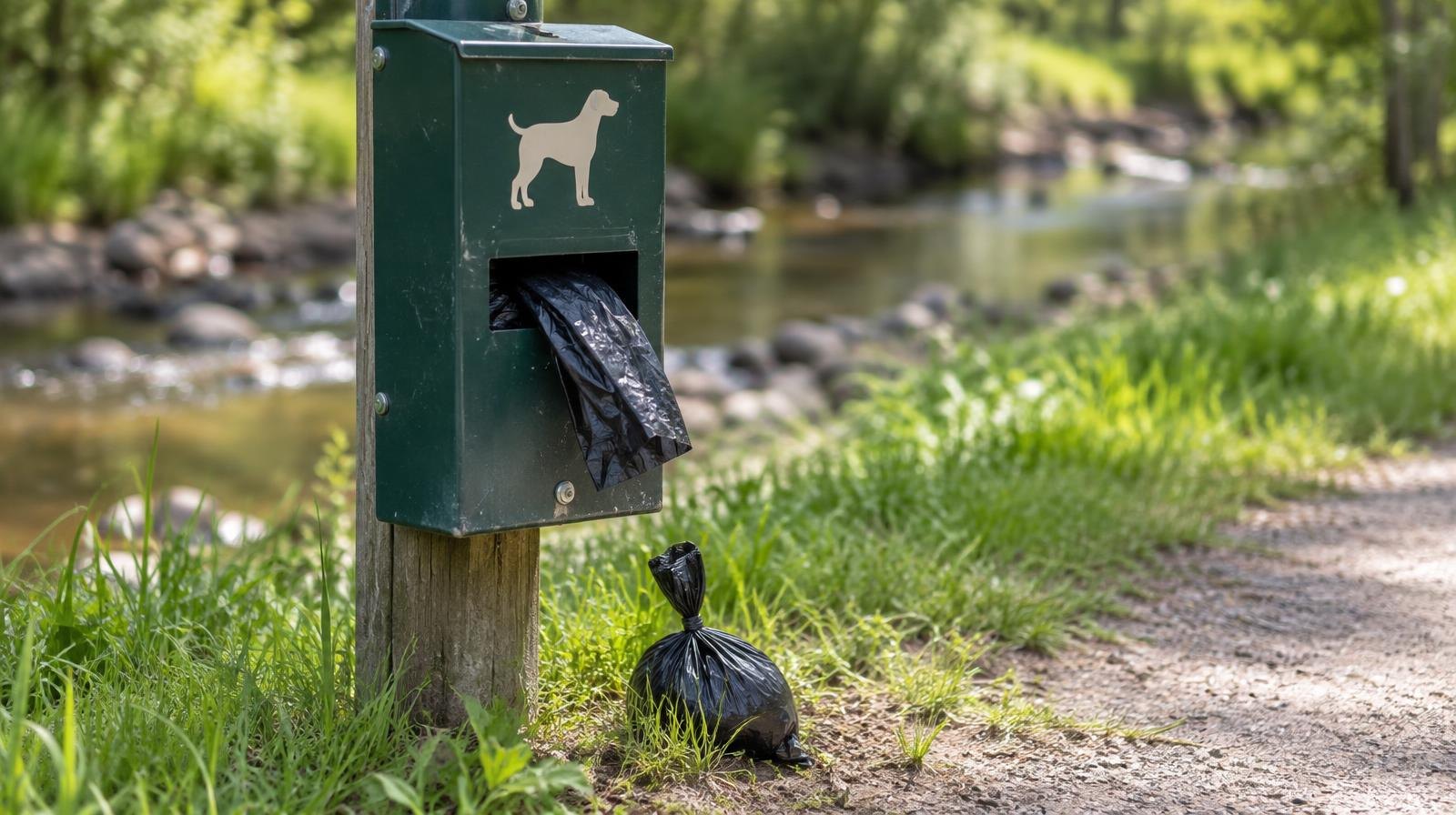
Dog waste is the dominant source. The study found that dogs account for 96.88% of the total E. coli load in the watershed. Researchers estimate roughly 135,000 dogs live within the watershed's boundaries, according to Local Profile. Feral cats ranked as the second-largest source, followed by livestock, feral hogs, ducks and wastewater treatment facilities.
Texas A&M AgriLife Extension led the research behind the plan. Water quality monitoring ran from September 2018 through August 2022, with samples collected at five sites along the creek. A second phase from September 2022 through August 2025 focused on stakeholder meetings and developing the plan itself, according to the AgriLife project page.
Fouad Jaber, a Texas A&M AgriLife professor and extension specialist, said in a statement, "Acceptance of this watershed protection plan is an important step toward improving water quality in Rowlett Creek."
Under the plan, local partners have committed to six strategies: reducing stormwater pollutants, promoting responsible lawn care and pet waste practices, addressing illegal dumping and litter, expanding education programs, supporting flood management and continuing water quality monitoring.
The watershed is heavily urbanized. Land uses in the Plano portion break down as 66% residential, 23% commercial, 7% agricultural and 6% industrial, according to the AgriLife project page.
No specific first-year benchmarks or Allen City Council action items have been publicly identified. Separately, the city is building a 1.67-mile trail extension along Rowlett Creek, expected to be complete by the end of 2027. Residents who use that corridor stand to benefit from cleaner water.
The plan's long-term goal is to bring E. coli levels into compliance with state standards while also addressing runoff, flooding, illegal dumping and overall stream health.