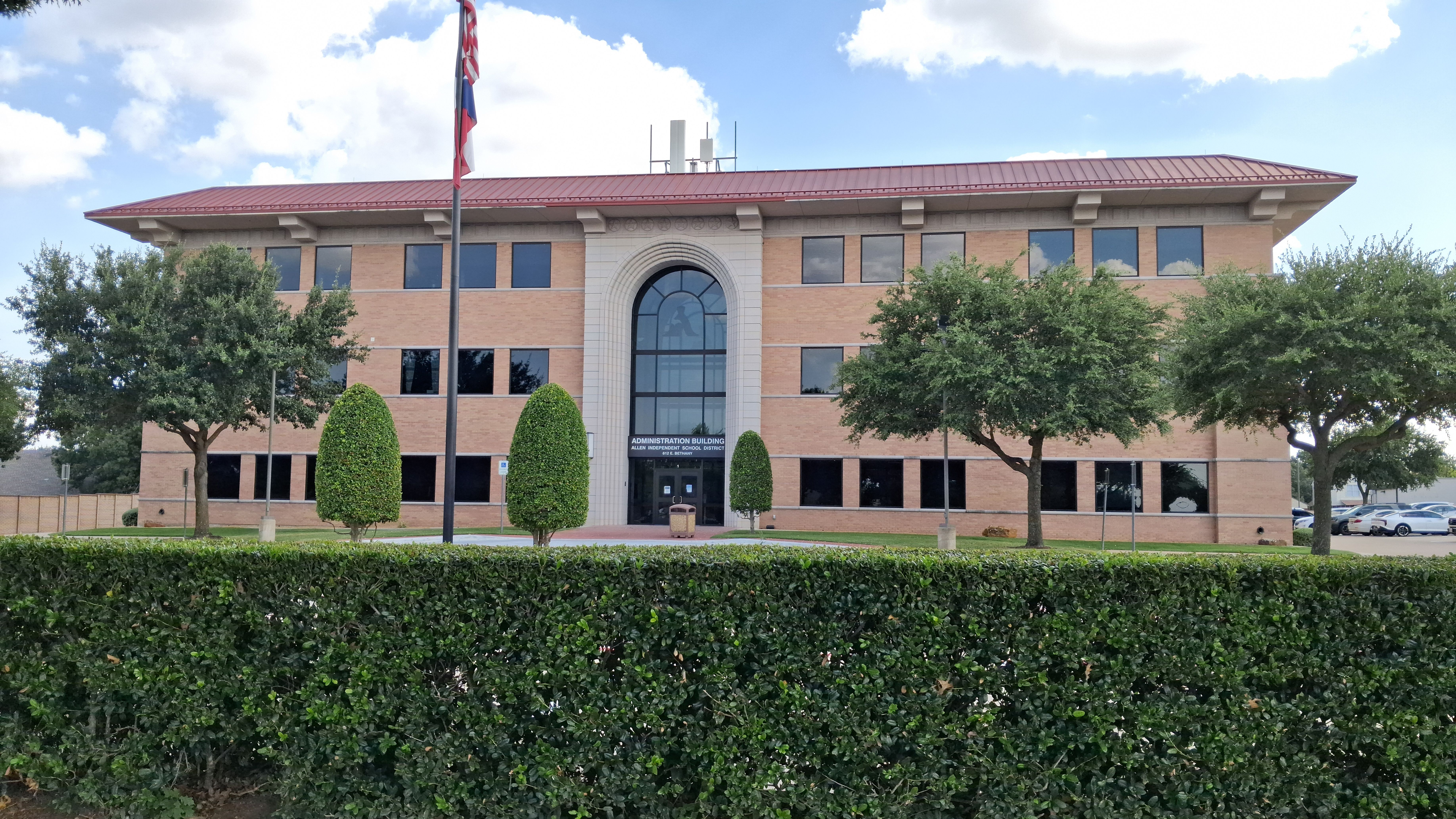
Allen homeowners pay an average of $5,053 a year in school property taxes. Gov. Greg Abbott wants to zero that out entirely, and state officials now say the price tag would be $8.6 billion a year.
Tetyana Melnyk, chief revenue estimator for the Texas Comptroller's Office, presented the estimate to the Texas House Ways and Means Committee on Tuesday, Sept. 15. The cost is expected to climb to $12 billion annually by 2032, Melnyk told lawmakers, Community Impact reported.
School maintenance and operations taxes are the largest piece of a homeowner's property tax bill. Allen ISD's M&O rate, the portion Abbott's plan targets, is $0.7137 per $100 of assessed value. The average taxable value of a single-family home in Allen was $457,872 in 2026, according to Collin Central Appraisal District data.
Despite a two-cent rate decrease approved Aug. 24, some homeowners may pay more because home values rose by more than $10,000 between 2025 and 2026.
Texas school districts collect about $29 billion a year in M&O taxes. Of that, $8.6 billion comes from homeowners. The rest comes from commercial and industrial properties, Melnyk told the committee.
The state already spends $51 billion on property tax relief for fiscal years 2026 and 2027, about 15% of the $338 billion state budget. Policies approved by voters in 2025 exempt most homeowners from paying school district taxes on the first $140,000 of their home's value. Seniors and people with disabilities receive a $200,000 exemption.
Funding full elimination would strain state finances. Lawmakers had a nearly $33 billion surplus when writing the 2024-25 budget but only about $24 billion for the current cycle. Budget analysts have warned fewer surplus dollars will be available in future years.
This summer, Abbott and legislative leaders directed nearly all state agencies to cut base budget requests by 3% for the 2028-29 biennium.
Texas Education Commissioner Mike Morath told the same committee hearing that eliminating all school district M&O taxes, including those paid by businesses, would cost about $29 billion a year, The Texan reported.
State Rep. Barbara Gervin-Hawkins, D-San Antonio, pressed Morath on whether elimination would hurt schools.
"You have a question about how much you want to fund schools, and then separately, where does that money come from?" Morath said. "Does it come from sales tax, from oil and gas, from the [state] lottery, from property taxes, from all of the above?"
Abbott has called school taxes "out of control" on the campaign trail and pledged to eliminate them if reelected. Any plan would require amending the Texas Constitution, meaning two-thirds support from state lawmakers and a majority of Texas voters.
Last year, some constitutional amendments backed by Abbott failed after House Democrats, who hold 62 seats to Republicans' 88, blocked them.
Abbott's campaign press secretary, Eduardo Leal, said in a statement that the governor wants the state to assume the full cost of replacing homeowner school tax revenue and that Texas has already shown it can take on a greater share of education funding.
The 2027 regular legislative session is scheduled to begin in mid-January.